When disaster strikes: How fire insurance protects lives and property in informal settlements
The blog originally appeared on ILO's website on 3 December 2025. Authored by Ms. Lisa Morgan, Technical Specialist at ILO's Impact Insurance Facility who can be reached at morgan@ilo.org.
Across the world’s informal settlements, a single spark can erase a family’s home, savings, and livelihood in minutes. Yet fire insurance – one of the most needed forms of financial protection in such settings – is rarely accessible or trusted by low-income households. This article looks at the case of Lumkani, a South African insurtech that combines early-warning technology with affordable insurance to protect residents living in high-risk, underserved environments. Through testimonials from beneficiaries, it shows how prevention, protection, and rapid payouts can shift a family’s entire trajectory after a disaster – offering lessons with relevance far beyond South Africa.
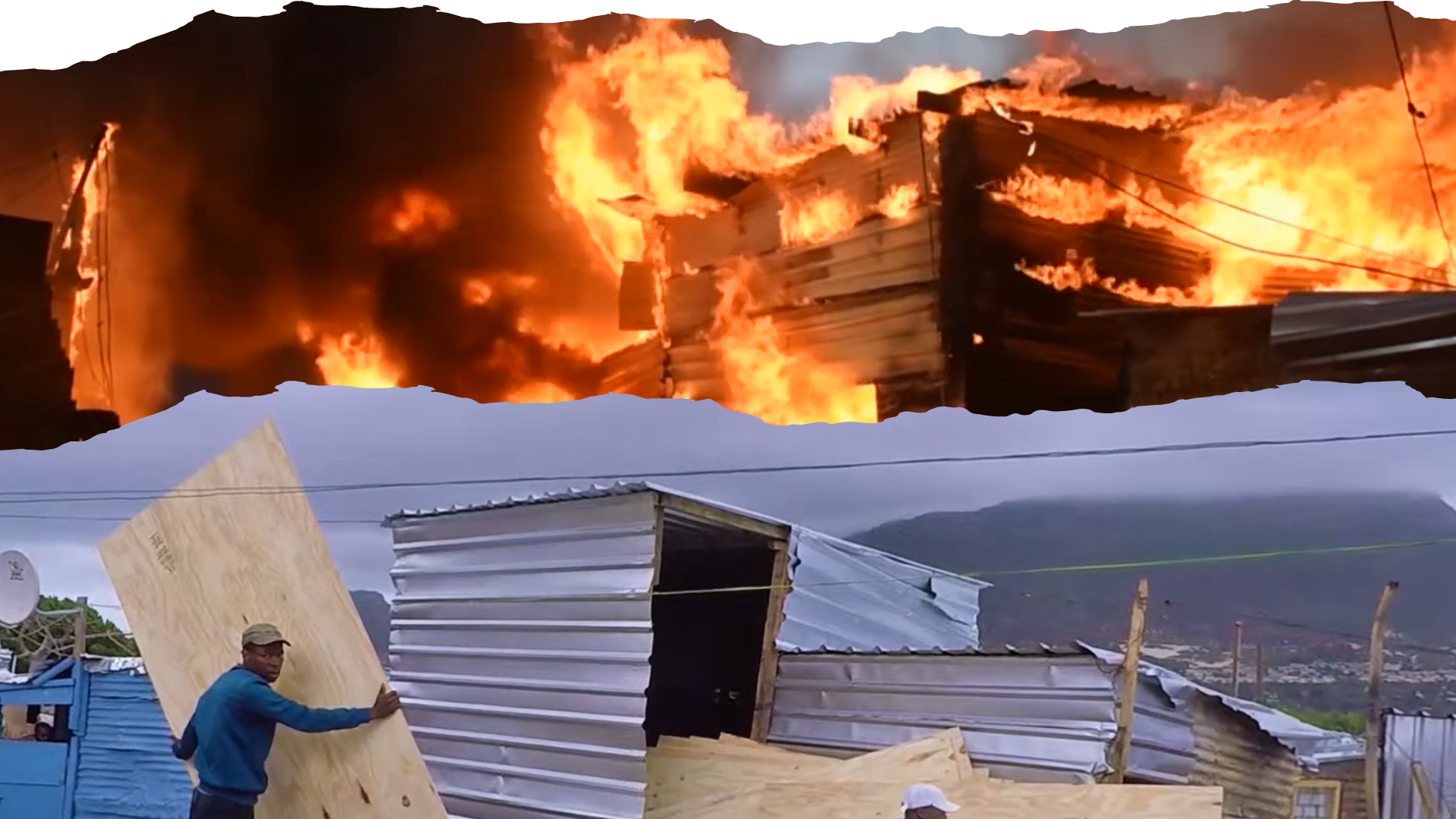
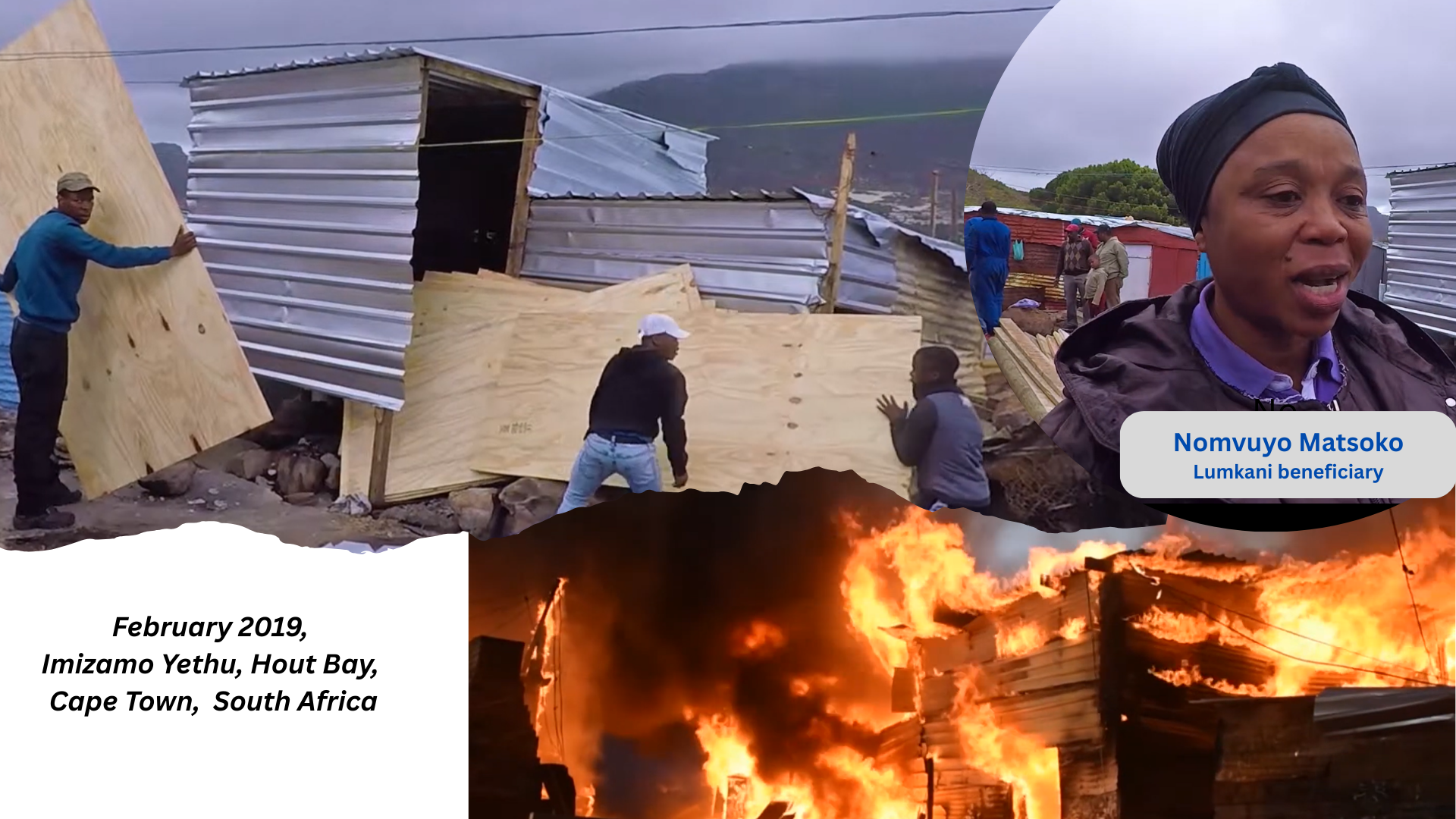
Every eight hours, a fire tears through an informal settlement in Cape Town. For more than five million South Africans living in these communities, the risk of a devastating fire is high. Nomvuyo Matsoko, a resident of Imizamo Yethu, knows this all too well. She recalls the harrowing day in February 2019: “When I came back, my house was already on fire, and I passed out.”
The Cape Town region is now home to more than 650 informal settlements¹. Imizamo Yethu is one of these. It was established in the early 1990s to accommodate squatters from neighbouring Hout Bay and now has a population of over 30,000 people. Imizamo Yethu means “Our Efforts” in Xhosa and reflects the community’s struggle for land and housing.
Like many informal settlements (also known in South Africa as “townships”), living conditions in Imizamo Yethu are challenging. Overcrowding, poor sanitation, limited access to clean water and other basic services all contribute to health and safety hazards. Residents live on marginal land, making them vulnerable to floods and fires. The corrugated iron shacks are often built close together and with flammable materials. With load shedding (planned power outages), electricity is not always available. Many homes are not connected to the grid and residents rely on kerosene lamps, candles and fires for light and warmth.
This combination of flammable housing materials, isolation from public services and the frequent use of open flames means fires occur frequently, spread quickly and result in catastrophic loss. Residents are mostly informal workers in precarious financial situations. Keeping cash at home is common, further compounding the loss caused by fires; not only are residents vulnerable to losing their homes but also most of their assets and even savings. Response systems are under-resourced and overwhelmed, and fire trucks often struggle to fit through the small spaces created by the labyrinth of shacks.
The fire that destroyed Nomvuyo’s home destroyed eight other homes and left dozens of residents displaced. As a domestic worker, Nomvuyo had limited financial resources and would not have been able to rebuild her house or easily replace the contents on her own. While the event was devastating, Nomvuyo had something on her side: a fire insurance policy with Lumkani. Five days after the fire, Lumkani paid out Nomvuyo’s full claim. As Nomvuyo talks about rebuilding her home in an interview just after receiving the payout, her gratitude and relief are palpable, but she also shares a more immediate concern – namely that the place she is staying during the rebuild is not safe for her and her children. This underscores the point that a home is not only shelter, but a refuge.
Lumkani’s fire insurance solution
Lumkani is a social enterprise seeking to address the challenge of fires in urban informal settlements in South Africa and internationally. As an insurtech, Lumkani combines innovative early-warning systems (inexpensive smart fire detectors) with low-cost inclusive insurance solutions (fire and funeral² insurance) to provide safety and financial security to their clients.
This insurance and fire detection bundle is offered directly to informal home- and business owners and covers shacks, RDPs (government-funded, low-income) houses, the premises of small businesses and containers. The insurance, which is underwritten by Hollard, covers the property structure and contents up to the value of ZAR 40,000 (~USD 2,334), on a first-loss basis for a premium of ZAR 88 (~USD 5.14) per month.
As of March 2025, the national minimum wage for domestic workers is ZAR 28.79 (~USD 1.68) per hour, meaning the premium for Nomvuyo would be equivalent to around three hours of work at the minimum wage. Given that this solution is designed for the low-income market, Lumkani allows a flexible payment system that includes a three-month grace period on premiums – this helps clients who do not receive regular incomes improve their continuity of cover. Lumkani’s solution is an innovative offering that reduces the risk of disaster from a fire and provides the finances to rebuild in the aftermath.
Smart fire detectors – Reducing risk and protecting communities with the Internet of Things (IoT)
The inexpensive fire detector lowers the premium through risk reduction, which increases the affordability of the insurance policy. By providing formal 'GPS' addresses, the detectors also formalize the informal structure for insurance purposes. The fire detector remains in the household and continues to work even if the policy lapses; however, to access the insurance benefits, clients need to be active.
The smart fire detector reduces the risk of a fire spreading by alerting the resident with an alarm and SMS. The real innovation, however, is that Lumkani’s fire detectors are connected devices, using the Internet of Things (IoT) to communicate from one fire alarm to another. Think of it as a neighbourhood watch system for fires – when one detector senses the heat signature of fire, it instantly alerts all homes within a 60-metre radius through alarms and SMS messages, giving neighbours precious minutes to act together before flames spread. The smart fire detectors greatly reduce risk for individuals and their neighbours.
Initially, Lumkani only focused on developing the smart fire alarm, but it soon became apparent that alone, it would not be enough; finance would be needed afterwards, which is where the partnership between Lumkani and Hollard was born. Lumkani launched its first insurance and alarm solution in 2017. To date, it has paid out ZAR 32 million (~USD 1.87 million) in claims.
National scale is the current goal; there is significant scope to expand, and a clear unmet need for fire cover. It is estimated that more than five million South Africans live in informal settlements³. From 2013 to 2022, over ZAR 1.7 billion (~USD 99.24 million) of property was destroyed by fires in South African informal settlements⁴. From a life insurance perspective, while informal settlements house only 10 per cent of South Africa's population, they account for 66 per cent of deaths from residential fires⁵ – this makes the funeral cover offered by Lumkani a relevant and valuable benefit.
Lumkani’s Impact Data, as of November 2025:
- 415,000+ people with fire protection in high-risk homes.
- An additional 116,000+ homes with fire alarms, geo-tagged and eligible for financial cover.
- 70 per cent of Lumkani’s customer base are female.
- In the last 3 years, Lumkani’s fire detection system has helped to limit the spread of over 150 confirmed fires in communities. In these events, we estimate that 2,516 homes, ZAR 149 million (USD 8.7 million) of informal property, has been saved from fire.
Fires destroy livelihoods and jobs
Livelihoods are also jeopardised if small businesses and jobs are lost to township fires. In South Africa, around 17 per cent of the country’s overall employment is based in the informal or “township” economy – a vital employment sector in a country with almost 33 per cent unemployment. Fire insurance is therefore an important consideration for business continuity and income stability.
Financial education and word-of-mouth
The main challenges for insurtechs and insurers in the low-income market are the lack of awareness about financial services (including insurance) and mistrust. This is why Lumkani has made efforts to bolster financial education in the communities it serves – this has been done through the creation of Funda Nathi, a series of short, mobile-friendly videos that explain budgeting, saving, and insurance in practical terms. These digital materials are complemented by in-person financial-literacy sessions led by Lumkani’s all-female agents and community facilitators, giving residents the opportunity to ask questions and apply the information to their daily lives.
As part of the education work, Lumkani also focuses on fire safety – this includes discussions on safe cooking, heating and lighting practices, how to create small safety buffers inside the home, and how to respond quickly when a fire starts. Information on improving building materials is also shared, but the materials bought and used often depend on affordability and availability; it is not a given that clients can build back better with less flammable materials following a fire.
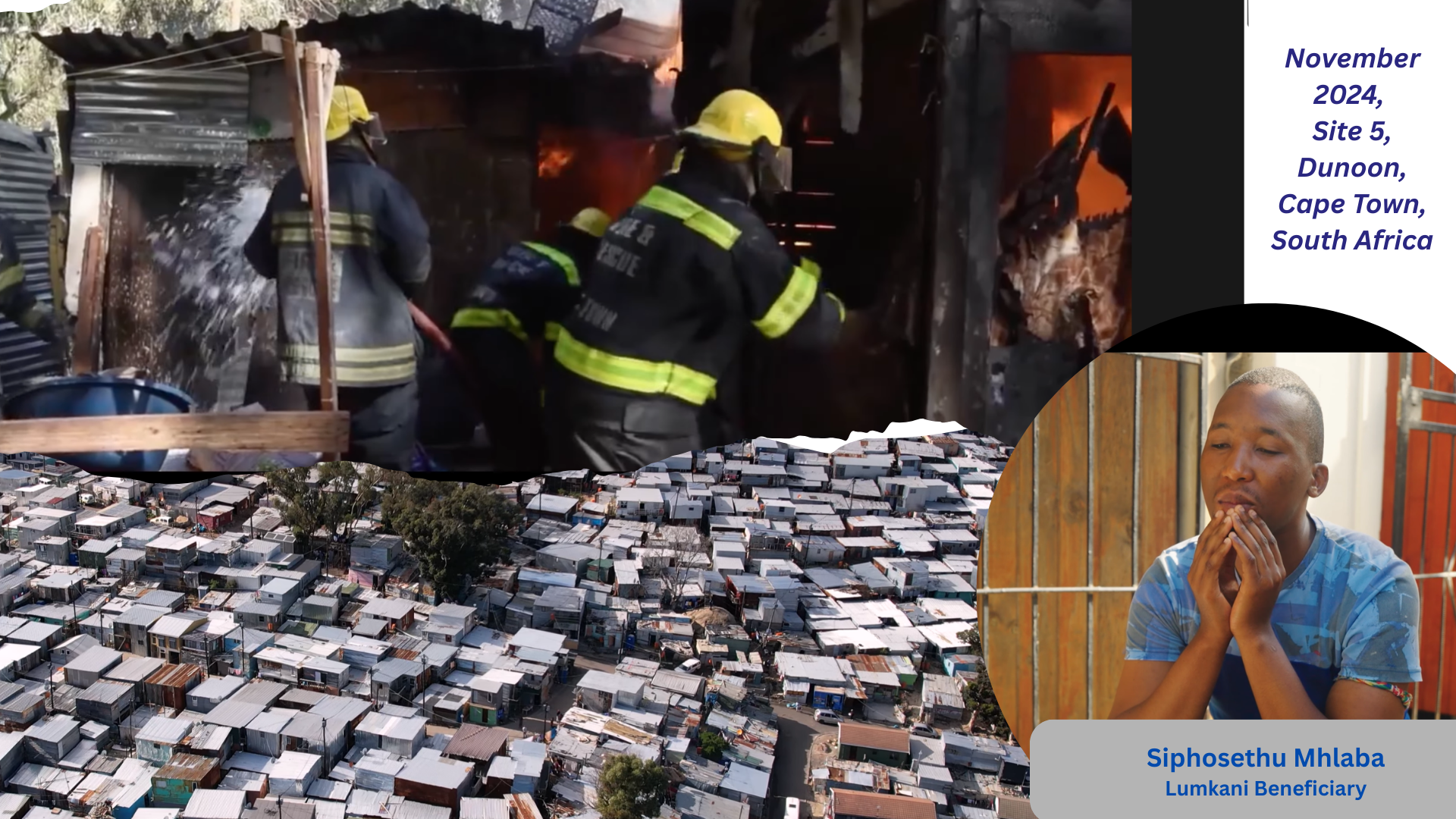
Word-of-mouth and personal recommendations are often the best form of financial and consumer education. Siphosethu Mhlaba, another of Lumkani’s clients from the settlement Dunoon, Site 5, said that he bought the Lumkani fire detector and insurance package because his sister recommended it to him. Fire destroyed his property in November 2024. He had already started rebuilding and improving his house using bricks when his sister reminded him about his Lumkani cover. The payout helped him to complete the task. He said that when he bought Lumkani, he didn’t really believe in it, but after his experience, he would gladly endorse it to someone who, like him, didn’t know what it was about.
Women as clients and trusted agents
Given that almost half of all homes in rural and informal settlements in South Africa are headed by women like Nomvuyo, financial education is particularly important for women, who are also the primary breadwinners in over six million homes⁶. There is a significant gender finance and protection gap; women tend to rely more on informal finance, which can make it more difficult for them to access funds in the case of a disaster. Women are also less likely than men to re-enter the labour market after a disaster, possibly due to their increased domestic duties.
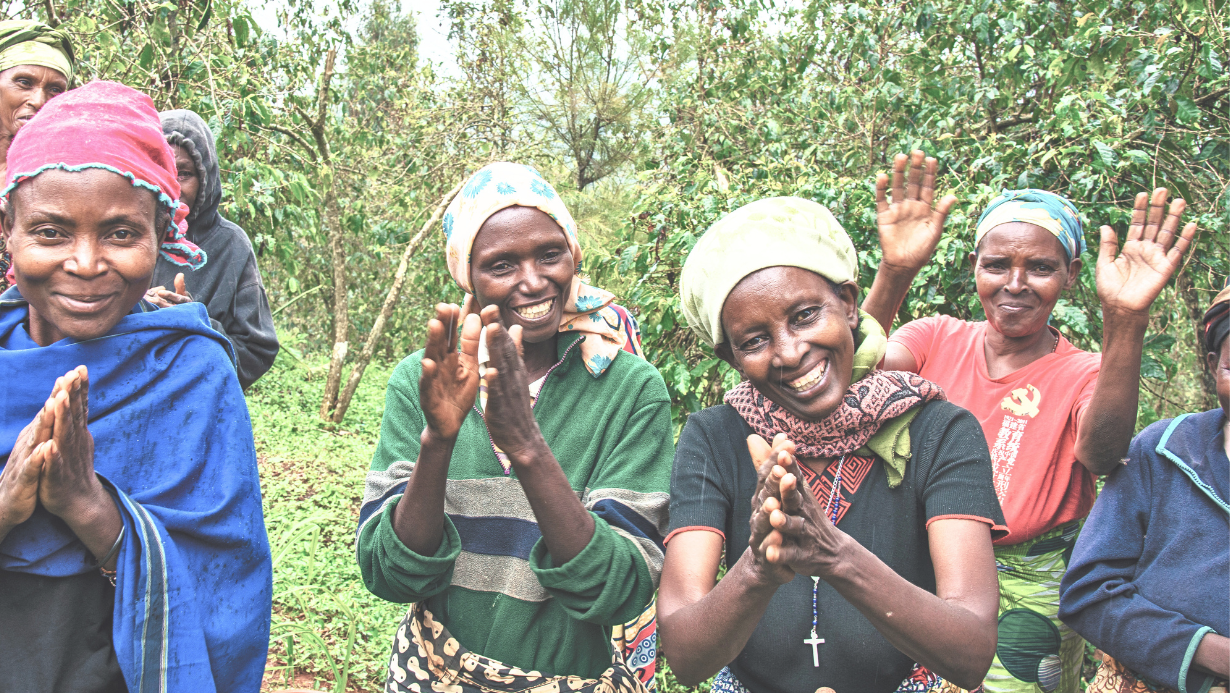
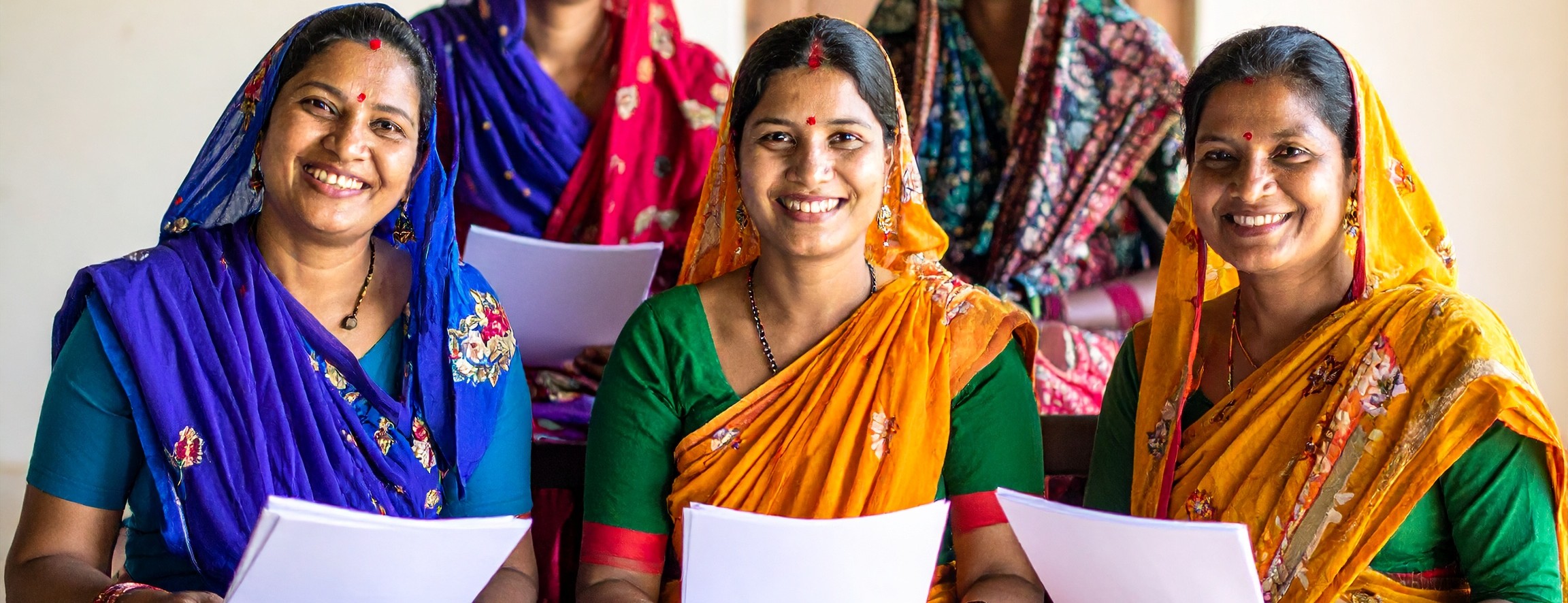
For distribution, Lumkani has made a deliberate choice to only hire female agents who live in the communities they serve. The impact on women is threefold: there are more quality employment opportunities, they feel empowered to make financial decisions and women are more likely to enrol in insurance, reducing the gender protection gap. Employing female community-based agents is also better for business. In informal settlements, women’s social networks are incredibly strong, and trust is everything. When information about risk, insurance, or financial decisions comes from another woman who is known in the area, people are far more likely to listen, ask questions, and feel comfortable engaging.
As part of Lumkani’s Hollard-supported financial education activities, they host “Siyaphunga” events (which means "we are drinking tea"). These are run by Lumkani’s female agents and create a comfortable environment for talking about fire risk, financial protection, budgeting, and what to do after a disaster. Women are usually the ones managing households, so creating spaces where they can ask questions freely and hear from others who have been through fires is incredibly important. Lumkani believes its model works because it is rooted in local women’s leadership. They say their agents are more than salespeople; they are connectors, trusted peers, and often the first point of contact when someone needs help.
Worldwide, one in four will live in an informal settlement by 2030
Expansion into other global markets is also part of Lumkani’s vision, as are partnerships with financial service providers, such as banks and microfinance institutions that provide housing loans. Fire risk in informal settlements is not unique to South Africa. Habitat for Humanity estimates one in four people on the planet – 25 per cent of all humanity – will live in an informal settlement by the year 2030⁷. Research shows that catastrophic fires are frequent in informal settlements around the world⁸. Climate change is also amplifying the risk of fires through more extreme weather, such as prolonged droughts, higher temperatures, and stronger winds. Mitigating the risk of fires and adapting to the changing weather patterns is more critical than ever.
Conclusion
Lumkani’s experience demonstrates how inclusive fire insurance can be both viable and transformative when it is rooted in community trust, innovative technology, and timely payouts. As climate-driven fire risks rise globally and informal settlements expand, models like this offer practical lessons for governments, insurers, and development actors seeking to protect vulnerable households. Scaling such solutions – in South Africa and internationally – could mean the difference between catastrophe and recovery for millions of residents like Nomvuyo and her children, and Siphosethu.
Lumkani is a grantee of SCBF (RG-02) and a participant in the ILO’s research project on improving the viability and value of inclusive insurance funded by the Generation Foundation.
The testimonials referred to in this article can be watched here:
Footnotes:
[1] Ruiters, T.; Cape Town's informal settlements: a growing crisis in urban housing; The Cape Argus; 2025; https://capeargus.co.za/weekend-argus/news/2025-05-02-cape-towns-informal-settlements-a-growing-crisis-in-urban-housing/
[2] Funeral insurance is a type of insurance policy designed to cover the costs associated with a funeral and related expenses after the policyholder’s death. This financial solution is popular in South Africa where funerals are very important from a cultural perspective.
[3] Flooded and Forgotten - Informal Settlements and the Right to Housing in South Africa; Amnesty International; 2025.
[4] Fire Statistics 2022; Fire Protection Association of Southern Africa (FPASA)
[5] Fire Statistics 2018; Fire Protection Association of Southern Africa (FPASA)
[6] Research indicates that roughly 40 per cent of South African households are headed by women — equivalent to about 6.1 million homes in which women are the primary or sole breadwinners.

.png)
.png)


.png)


.png)